
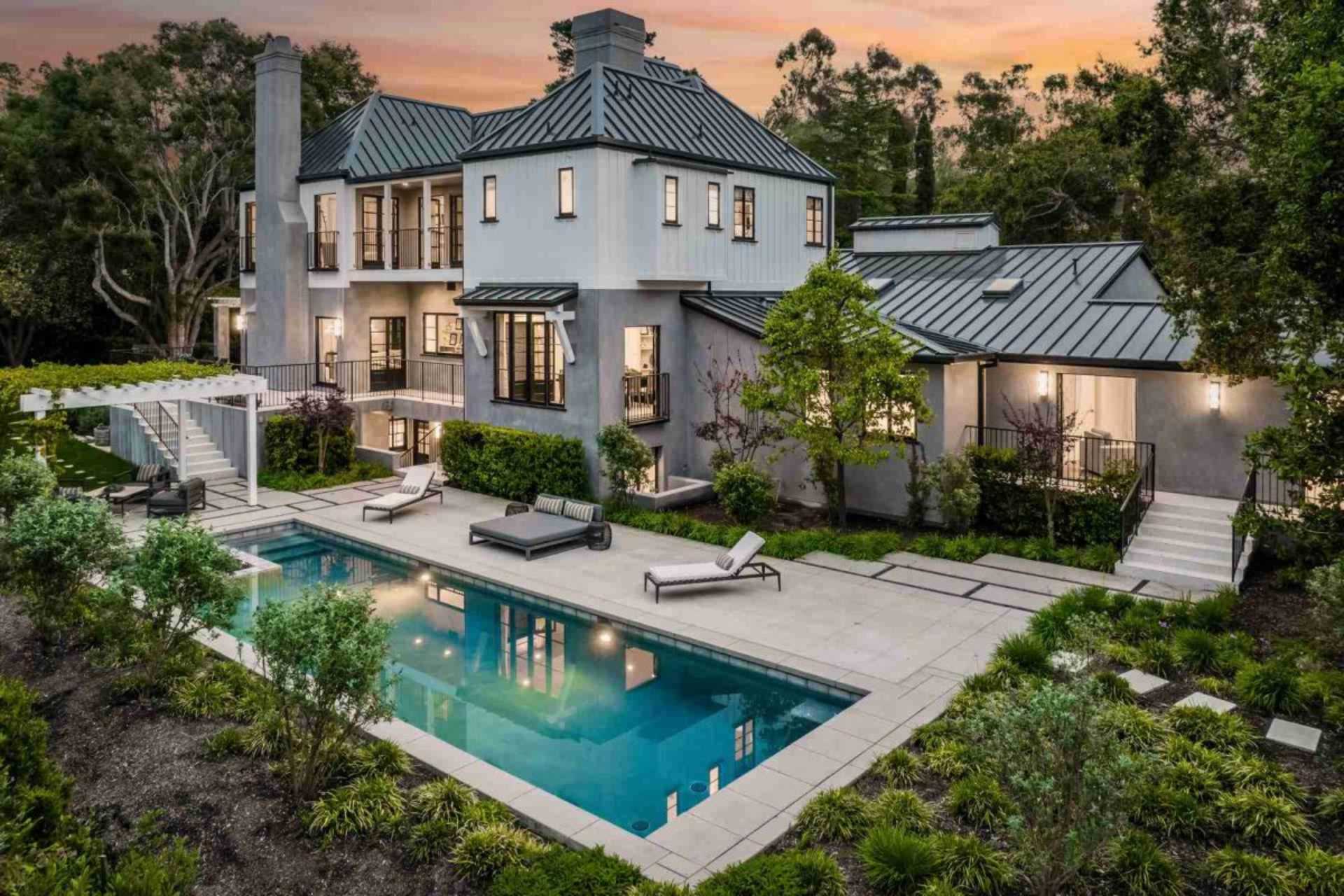
In the current landscape of high-end residential architecture, the definition of luxury has undergone a profound shift. We have moved past the era of mere opulence and “square footage for the sake of square footage.” Today, the most discerning homeowners are looking for a sanctuary that prioritizes performance, personal wellness, and long-term resilience. When you partner with a premier custom home builder, you aren’t just commissioning a structure. You are designing a proactive environment with features that adapt to the unique challenges of the Canadian climate.
Whether you build in a busy urban center or on a secluded lot in the Rockies, you now focus on “invisible” quality. In previous decades, homeowners often settled for a standard build. They eventually looked toward a window replacement ten years later to fix efficiency issues. That reactive mindset has vanished. Today’s builders engineer custom homes from the ground up as high-performance envelopes. These structures provide a level of comfort and security that once seemed like science fiction. You now define true luxury by the quality of the air you breathe, the silence of your rooms, and the intelligence of your home’s infrastructure.
The Quick Edit: Key Takeaways
- Wellness as a Standard: Modern luxury means integrated air filtration, circadian lighting, and dedicated recovery spaces.
- Invisible Technology: 2026 is the year of “Quiet Tech,” where automation is felt but never seen.
- Structural Volume: Architectural trends are moving toward increased vertical space, making 10-foot basement ceilings a non-negotiable for high-end builds.
- Net-Zero Focus: Energy independence is no longer a niche request; it is a fundamental requirement for future-proofed assets.
The Integrated Wellness Sanctuary
In 2026, the primary suite is no longer just a place to sleep. It has evolved into a comprehensive “recovery zone.” Canadian winters can be taxing on both physical and mental health, leading to a surge in at-home wellness features. We are seeing a move toward “spa-grade” primary bathrooms that include infrared saunas, steam showers with aromatherapy integration, and even built-in cold plunge stations.
Beyond the bathroom, wellness is integrated into the very atmosphere of the home. Circadian lighting systems are now a staple of future-proof, energy-efficient custom home builds. These systems automatically adjust the colour temperature of the interior lights to mimic the natural progression of the sun. This helps regulate the inhabitants’ sleep-wake cycles, which is a vital feature during the dark Canadian winter months. Coupled with acoustic zoning—the use of specialized drywall and spatial planning to create whisper-quiet zones—the modern custom home is designed to be a literal antidote to the stress of the outside world.
“Quiet Tech” and Invisible Automation
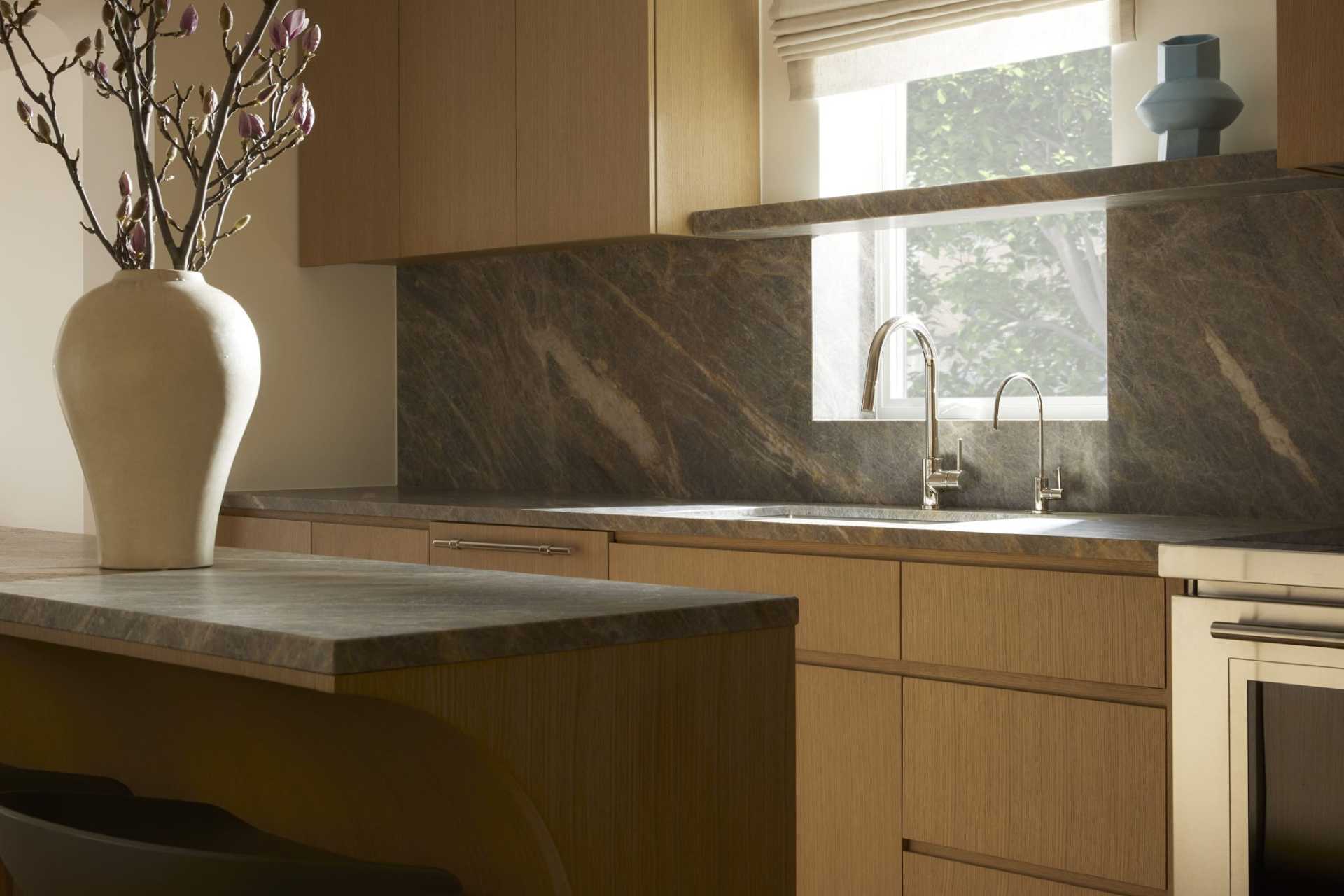
The trend of “Smart Homes” has matured. In 2026, we have moved away from flashy touchscreens on every wall and toward “Quiet Tech.” This means the technology is embedded directly into the architecture of the home. Imagine wireless charging points built into the underside of your quartzite kitchen island or voice-activated lighting that understands context without the need for visible speakers.
Luxury custom homes strike a perfect balance between high style and daily function. Nothing exemplifies this better than integrated infrastructure. High-end builds now feature hidden EV-charging bays in the garage and flush-mounted “invisible” ceiling speakers. Centralized “Home OS” systems manage everything from snow-melt driveway sensors to automated herb gardens. The goal is to remove the “clutter” of technology while retaining all of its benefits. This allows the home’s design and materials to take center stage. This seamless integration ensures that performance never compromises the aesthetic vision of the space.
High-Performance Architecture: The Net-Zero Standard
In the current economic and environmental climate, luxury and efficiency are inextricably linked. A home that is expensive to maintain is not truly a luxury asset. High-performance architecture is now the standard, focusing on a “super-insulated” envelope that renders the home nearly independent of the traditional energy grid. Triple-glazed, argon-filled windows and advanced air-sealing techniques ensure that even during a January cold snap, the home remains a consistent, comfortable temperature without the furnace running 24/7.
To achieve this, 2026 builds utilize hospital-grade Energy Recovery Ventilators (ERVs). These systems provide a constant stream of fresh, filtered air while retaining the heat of the air being exhausted. This is particularly important in Canada, where wildfire smoke and seasonal allergens can often compromise outdoor air quality. A luxury home should be the one place where the air is guaranteed to be pure, regardless of the conditions outside.
Expanding the Volume: The New Vertical Standard
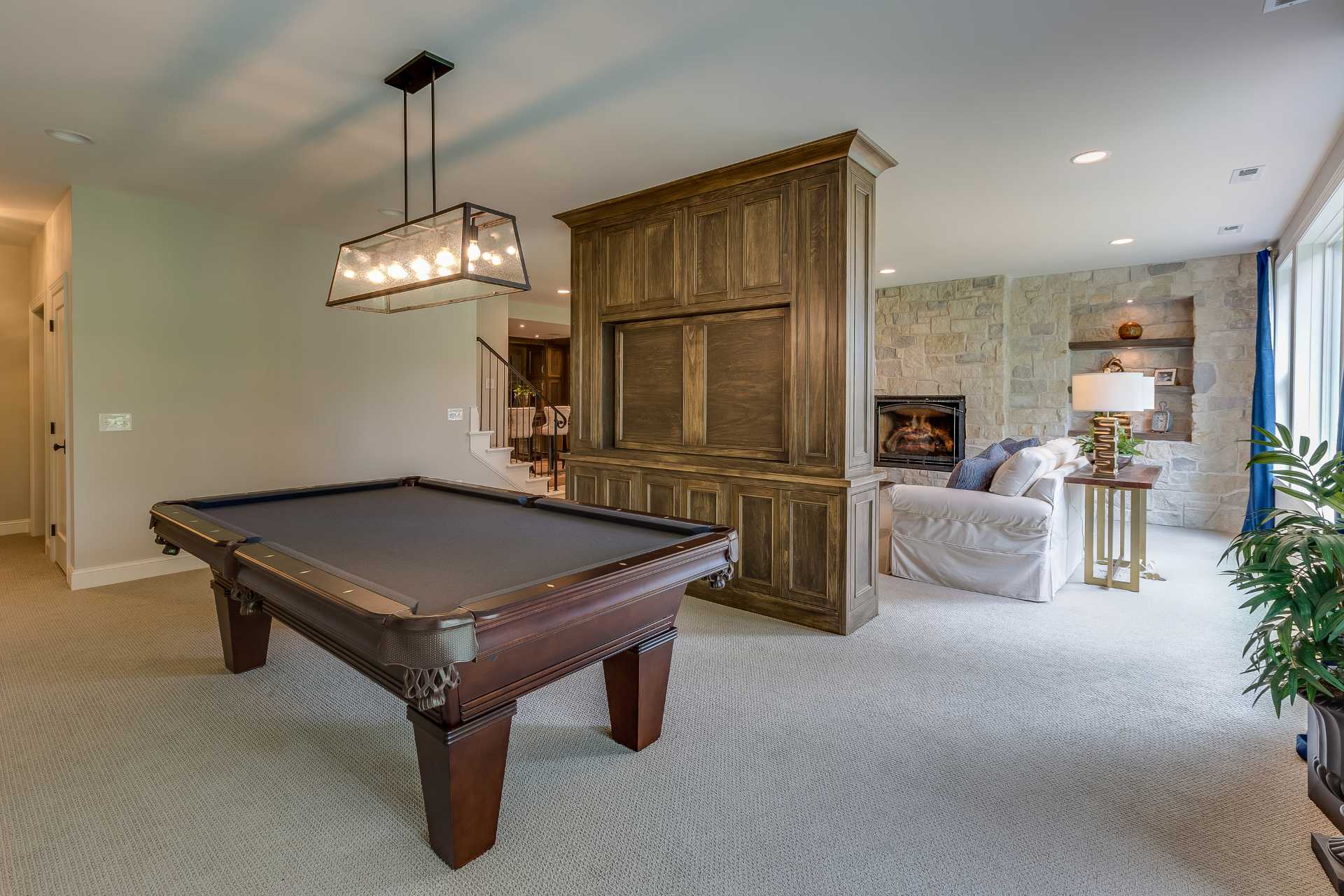
One of the most significant shifts in custom home design involves the utilization of secondary spaces. The “unfinished basement” is a thing of the past. In 2026, luxury homeowners are demanding that lower levels feel as grand and inviting as the main floor. This is achieved by opting for 10-foot basement ceilings, which completely transform the subterranean experience.
When you have that extra vertical volume, the basement becomes a viable space for full-scale fitness centers, professional-grade home theatres, or sprawling guest suites. It allows for larger windows (above-grade) that flood the lower level with natural light, removing the “basement” feel entirely. This focus on verticality extends to the main floor as well, where vaulted ceilings and double-height great rooms are used to create a sense of breathability and architectural drama that defines the modern Canadian aesthetic.
Biophilic Design: Connecting with the Canadian Landscape
Luxury in 2026 is about a seamless connection to the outdoors. We are seeing a massive rise in “garden rooms”—four-season glass enclosures that allow homeowners to enjoy the beauty of the Canadian landscape even in the middle of a blizzard. Retractable glass walls are also a must-have, allowing the living room to expand into a covered patio with integrated infrared heating and insect screens.
This “biophilic” approach extends to the materials used inside the home. There is a return to “honest” materials that age gracefully. We are moving away from the stark, cold whites of the 2010s toward warm walnuts, natural limestone, and lime-wash wall finishes. These materials offer a tactile, sensory experience that grounds the home in its natural surroundings. True luxury is the feeling of a natural stone floor underfoot and the sight of a perfectly framed view of the horizon.
Building for the Next Generation
Investing in a custom home in 2026 is a commitment to a specific way of living. It is a recognition that your environment directly impacts your health, your productivity, and your family’s well-being. By prioritizing wellness, invisible technology, and high-performance engineering, you are creating an asset that will remain relevant and valuable for decades to come.
True luxury is no longer about showing off; it is about “showing up” for the people inside the home. It is about the peace of mind that comes from knowing your home is energy-independent, secure, and designed specifically to nurture you. When you build with the future in mind, you aren’t just creating a house—you are crafting a legacy of comfort and quality that stands as a testament to modern Canadian craftsmanship.


Leave A Comment