
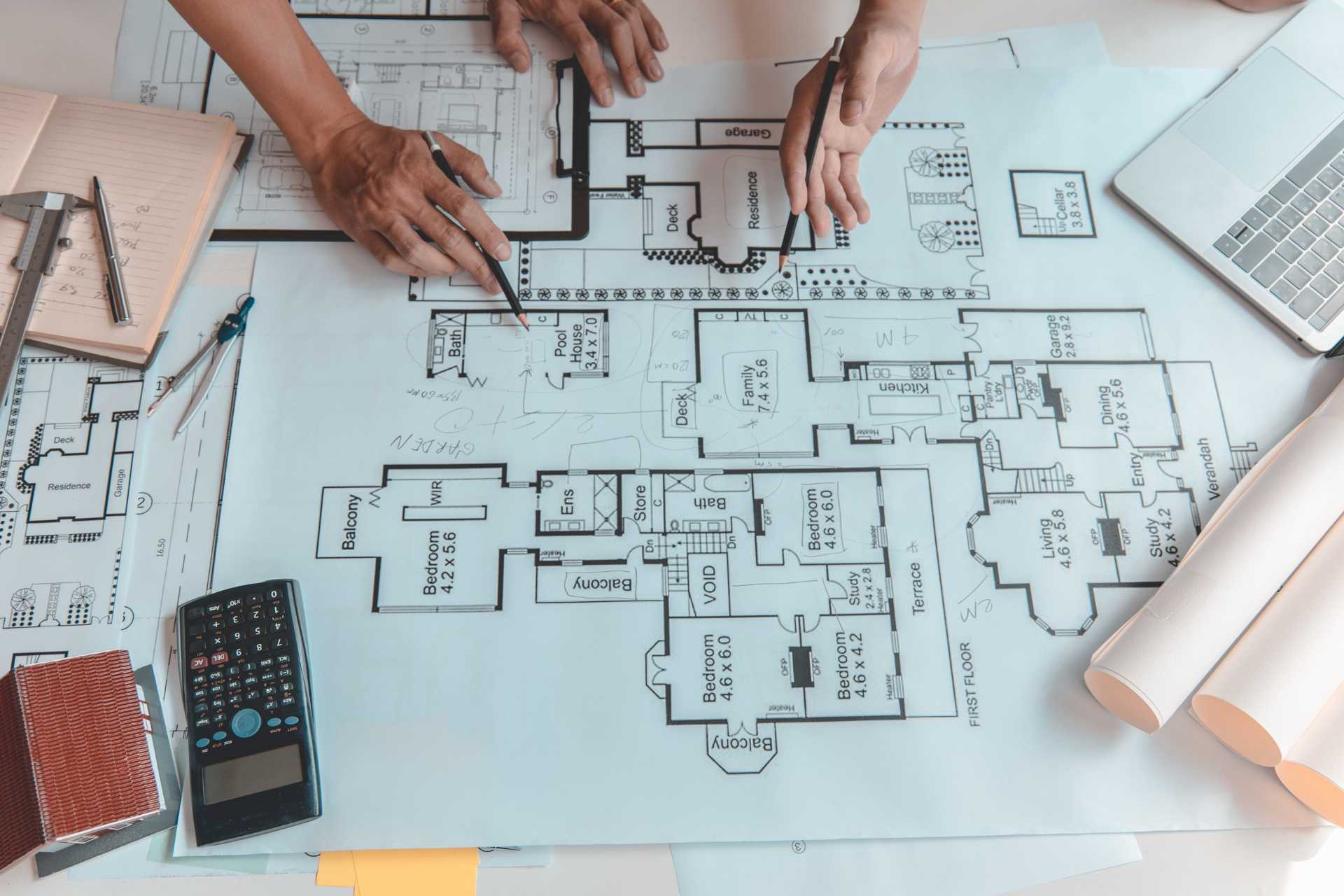
Stepping into the world of custom residential construction is one of the most exciting decisions and deeply personal milestones a property owner can achieve. Unlike purchasing a pre-built suburban house, designing a custom residence allows you to dictate every layout line, ceiling height, and surface finish. This absolute freedom gives you the power to craft a home that reflects your daily routine and family traditions perfectly. Partnering with an experienced, professional custom home builder from the start ensures your abstract design ideas translate seamlessly into a structurally sound building reality.
However, the sheer volume of choices required during the initial planning stages can quickly feel overwhelming for many property owners. You must make thousands of independent decisions covering architectural styles, structural framing methods, insulation variables, and municipal zoning compliance. You need to coordinate with specialized engineers, municipal inspectors, and an expert HVAC company to make sure your mechanical infrastructure operates flawlessly through extreme seasonal shifts. Taking a structured, systematic approach to these early design stages keeps your project moving smoothly, on time, and on budget.
The Quick Edit
- The Solar Match: Positioning your primary living areas and main windows toward the south allows you to harvest free passive solar heat during long Canadian winters.
- The Code Standard: Modern high-end homes must balance beautiful aesthetic trends like massive window walls with strict regional energy efficiency targets, such as the Net-Zero building code.
- The Team Impact: Bringing an expert builder into the process early during the architectural sketching phase helps catch structural conflicts and keeps construction costs under control.
The Microclimate Roadmap: Designing for Solar Orientation and Wind Loads
When building a custom home in Canada, your very first design decisions should center on your plot of land. Your building must interact correctly with its specific environment. Every building lot possesses a unique microclimate. This microclimate is shaped by seasonal wind paths, native tree lines, and solar angles. Ignoring these natural environmental patterns during the initial drafting stages is a major mistake. It ultimately leads to high energy costs and dark, chilly living spaces.
Optimizing your floor plan for passive solar heating is an exceptional way to increase your home’s natural efficiency. In the Northern Hemisphere, the sun sits low in the southern sky during the cold winter months. You should place your large family rooms, kitchens, and main window walls along the southern face of your blueprints. Doing so allows natural sunlight to flood into your home. This strategic positioning warms your interior spaces naturally. As a result, it drops your winter heating load significantly.
Conversely, you want to position your utility spaces, laundry rooms, and garages along the northern and western faces of your layout. These less-frequented zones function as a physical buffer wall. This barrier actively shields your primary living areas from biting winter winds and harsh afternoon summer heat waves. Designing your custom home architectural layout around these natural environmental patterns establishes an excellent foundation. It creates a highly comfortable, energy-efficient property for the long haul.
Navigating the Red Tape: Municipal Zoning Bylaws and Environmental Protections
Before your construction crews can break ground or pour concrete footings, your design must clear a complex network of municipal regulations. Navigating Canadian residential zoning bylaws requires a thorough understanding of localized rules covering property line setbacks, total lot coverage percentages, and maximum building height restrictions. These rules vary significantly between municipalities, meaning a blueprint that works perfectly in one town could be completely illegal three miles away.
If your building lot sits near natural features like a river, lake, or protected woodland, you will face an additional layer of environmental regulations. Local conservation authorities enforce strict protection zones to preserve native wildlife habitats and prevent future flooding damage. These environmental setbacks can restrict where you are legally allowed to position your home on your property, requiring precise site adjustments before you can secure your building permits.
Failing to account for these legal restrictions early in your design process can lead to long project delays and expensive blueprint redesign fees. An experienced custom construction team understands how to review local zoning maps and conservation rules before drafting your final plans. This proactive legal review ensures your project clears the municipal approval pipeline quickly, protecting you from unexpected regulatory surprises down the road.
The Structural Envelope: Balancing Style with Energy Performance
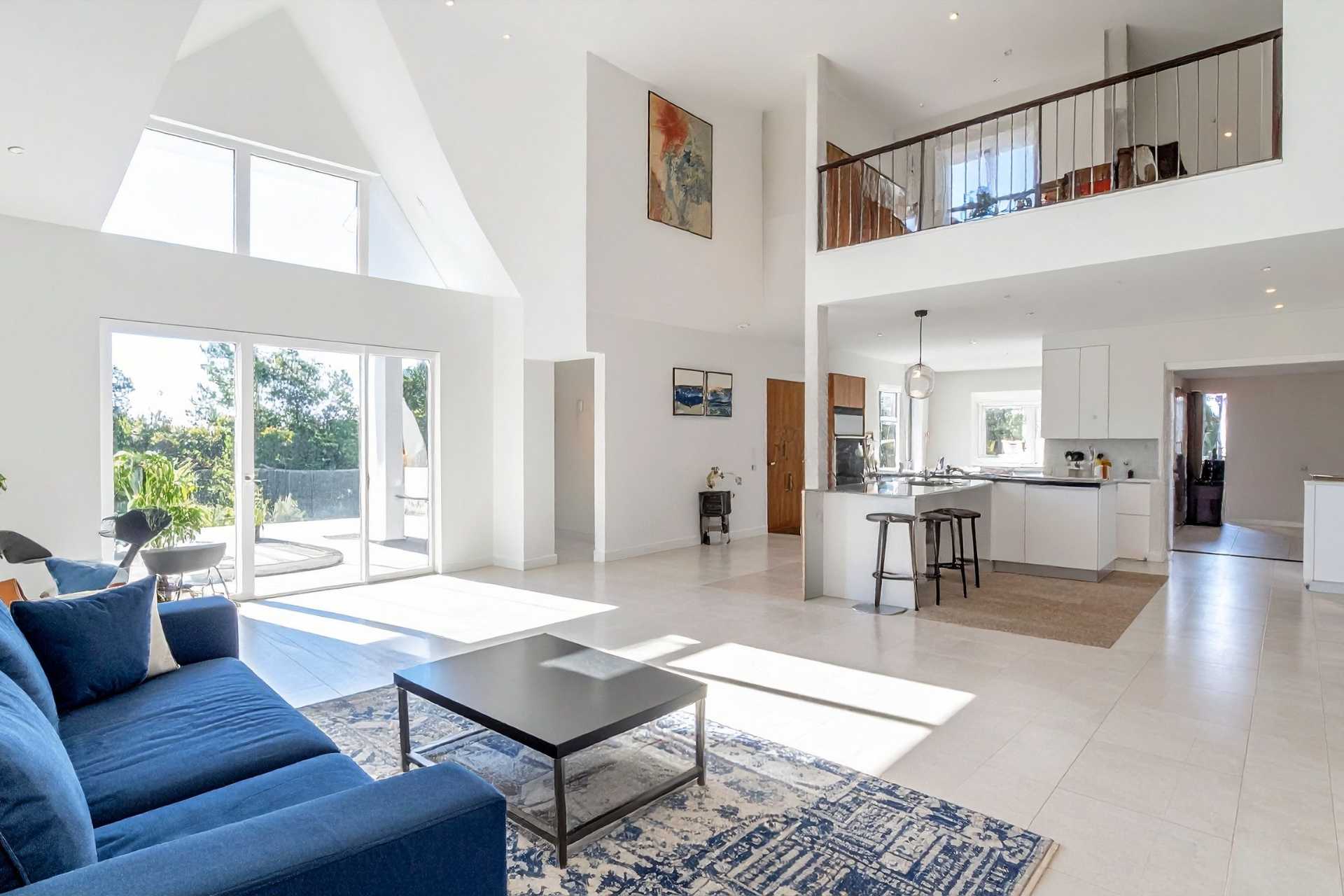
Modern architectural trends favour sleek, contemporary aesthetics marked by open-concept layouts, soaring cathedral ceilings, and massive glass window walls. While these high-end features look breathtaking in design magazines, they present significant structural challenges in cold northern climates. Glass panes allow heat to escape far faster than insulated solid walls, making it difficult to maintain a stable indoor climate.
Achieving an energy-efficient custom home design requires finding the perfect balance of high style and daily function through advanced engineering. When designing your home envelope, you must look at structural solutions like double-stud wall framing, continuous exterior insulation boards, and triple-pane argon-gas-filled glass units. These components work together to block thermal bridging, trapping your expensive indoor heat exactly where it belongs.
Advanced builders utilize these premium insulation strategies to meet strict regional building codes, such as Net-Zero standards or the multi-tiered Step Code framework. These modern efficiency codes require new homes to operate with minimal energy consumption, creating an incredibly tight, well-insulated structure. Investing in high-performance insulation shields allows you to enjoy beautiful, expansive luxury window walls without sacrificing your daily thermal comfort.
Choosing Your Guide: The Vital Role of an Expert Custom Builder
The most important decision you will make throughout your entire construction journey is choosing the professional team that will bring your home to life. Many property owners make the mistake of hiring an architect to draw up complex, detailed blueprints before ever speaking to a contractor. This disconnected approach frequently results in stunning home designs that are impossibly expensive to build in the real world.
Learning how to choose a custom home builder requires focusing on transparency, local experience, and collaborative communication. Bringing an experienced builder into the process during the early design phase creates a unified team dynamic. Your builder can perform real-time cost estimates on your architect’s initial sketches, helping you make smart material adjustments before you spend thousands of dollars on finalized construction blueprints.
A professional builder works as your project manager, budget protector, and quality control inspector all at once. They handle the complex logistics of hiring reliable local subcontractors, ordering premium building materials, and coordinating municipal safety inspections. Taking the time to choose the right custom home builder gives you peace of mind, knowing your luxury investment is being managed by a team committed to structural excellence.
The Custom Home Architectural Priority Framework
Organizing your lifestyle requirements before meeting with your design team streamlines the drafting process. Use this simple checklist to prioritize your structural and mechanical layout needs:
| Project Phase | Critical Architectural Design Decisions | Key Mechanical Systems to Coordinate |
|
Site Placement
|
Solar path orientation, main driveway layout, natural wind protection buffers. | Rough-in pathways for main water lines and septic connections. |
|
Main Floor Plan
|
Kitchen workflow layout, ceiling heights, window wall dimensions. | Zones for radiant in-floor heating lines and clean air returns. |
|
Mechanical Layout
|
Dedicated utility room space, mudroom drop zones, storage closets. | Central air purification equipment, heat recovery ventilators (HRVs). |
|
Exterior Cladding
|
Selecting durable, low-maintenance composite siding, brick, or stone. | Framing adjustments for hidden continuous exterior insulation. |
Designing a Legacy Property
Building a custom residence is a rare opportunity. It allows you to construct a beautiful, permanent legacy property. This structure will shield your family and support your lifestyle for decades. Succeeding in this complex process requires balance. You must weigh your luxury aesthetic goals against the structural realities of the local climate and municipal regulations.
Fortunately, you can avoid expensive construction mistakes. You achieve this by prioritizing correct solar orientation and building a thick, highly insulated thermal envelope. It is also critical to respect local zoning laws from the start. Partnering with an expert builder ensures your project moves forward seamlessly. They guarantee your dream design translates into a warm, efficient, and structurally flawless custom home that stands the test of time.


Leave A Comment