
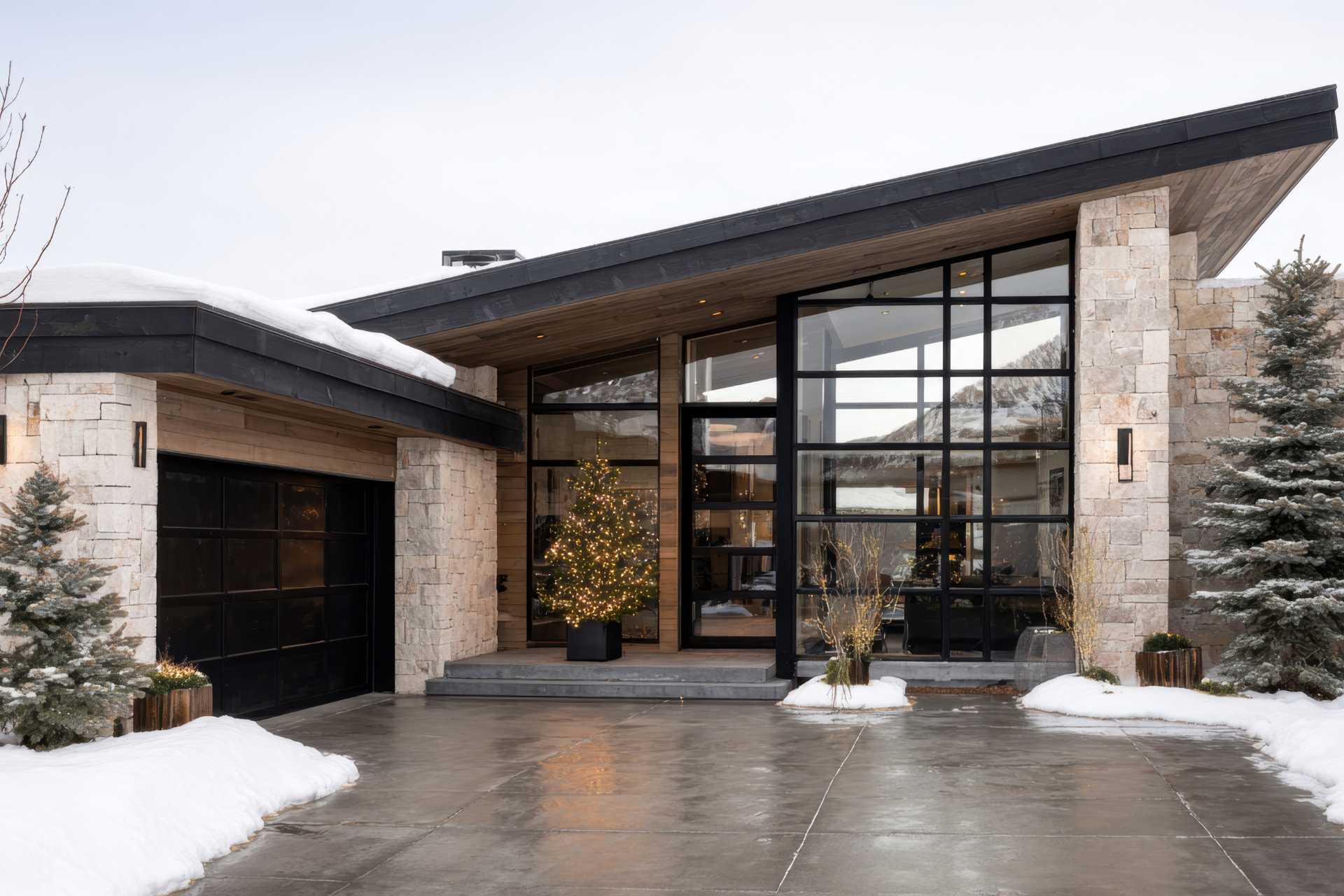
Designing a residence for Canadian winters requires more than generic construction methods. Long-term structural resilience is the priority. When planning for extreme cold and heavy drifts, homeowners should consult a specialized custom home builder. Partnering with a professional roofing company is also essential. This collaboration ensures the building envelope can manage massive snow loads and ice buildup. In Canada, winter acts as a rigorous engineering benchmark. A custom build allows for a climate-responsive strategy. It prioritizes durability and thermal stability from the very first sketch. These homes use advanced materials and site-specific planning. They offer protection that goes far beyond standard building codes. Your home becomes a sanctuary that remains comfortable even below -30°C. This proactive approach prevents pitfalls like frozen pipes or high heating bills. It ensures the property remains a valuable, high-performance asset for decades.
The Thermal Envelope: Beyond Standard Insulation
A high-performance custom home relies on a continuous thermal envelope to maintain internal temperatures. Standard construction often suffers from “thermal bridging,” where heat escapes through the wooden studs of the wall. Custom designs often utilize exterior rigid foam insulation or advanced spray foam to wrap the entire structure in a seamless blanket. This method ensures that the warmth generated by the furnace stays inside the living space. By exceeding minimum provincial R-values, these builds provide a much higher level of resistance to heat flow. This is a primary characteristic of energy-efficient custom homes. The goal is to minimize the energy required to stay comfortable.
The choice of insulation material also impacts moisture management. In the extreme cold of Canadian winters, the dew point—the temperature at which air moisture turns to liquid—often occurs inside the wall cavity. Custom builders use smart vapour barriers to ensure that any trapped moisture can escape without causing wood rot or mould. This attention to detail protects the structural integrity of the framing over the long term. A robust thermal envelope acts as the primary shield, reducing the workload on mechanical systems. It creates a stable interior climate that remains unaffected by the howling winds outside.
Strategic Solar Orientation and Glazing
The placement of a home on its lot is a critical factor in winter performance. Architects design custom homes to utilize “passive solar gain” by placing large glass surfaces on south-facing walls. This allows the low winter sun to penetrate deep into the home, naturally heating the interior floors and walls. This free energy reduces the reliance on the heating system during clear, cold days. Conversely, north-facing walls typically have fewer and smaller openings to minimize heat loss where the sun never reaches. This site-specific orientation is a hallmark of intelligent Canadian design.
The functional importance of quality windows and doors becomes evident during the first deep freeze. Custom builds typically specify triple-pane glazing with Low-E coatings and argon gas fills. These features act as a transparent insulation layer, preventing the “cold spot” sensation often felt near older windows. Properly sealed frames and high-performance glass prevent drafts and condensation buildup, which can damage interior finishes. By treating windows as essential structural components rather than mere decorative features, custom designs ensure that the view of the snow remains beautiful rather than bone-chilling.
Advanced Roof Geometry and Snow Management
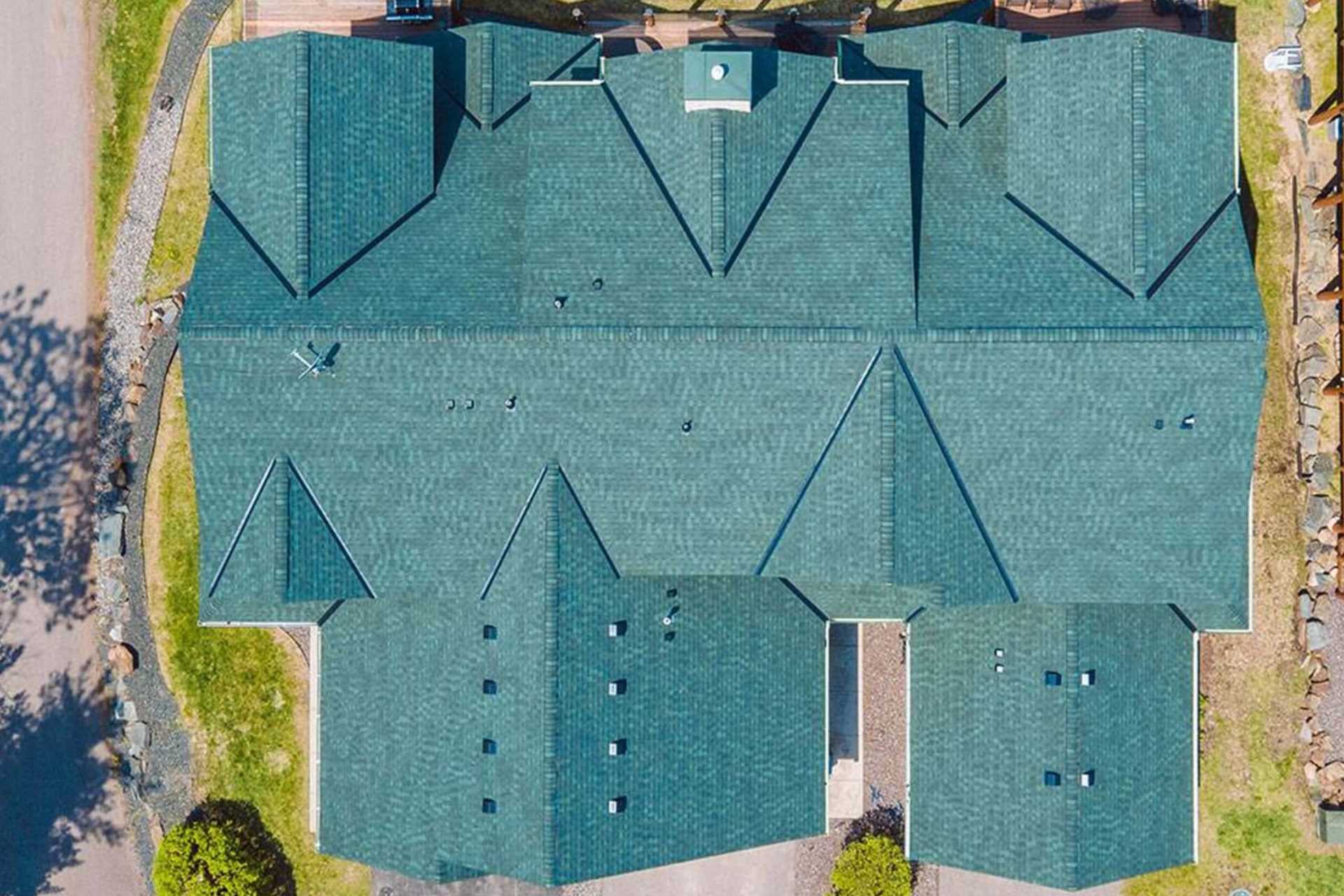
Roof design in a custom home is about more than just curb appeal; it is a matter of structural safety. Engineers calculate roof pitches and truss strengths based on historical snow-load data for specific Canadian regions. A roof must be able to hold the weight of several tons of wet snow without bowing or stressing the walls. Custom designs often avoid complex valleys where snow and ice can accumulate and cause leaks. By simplifying the roofline and using durable materials, builders ensure that the home can shed or hold snow safely throughout the season.
Preventing ice dams is another critical focus for any reputable roofing company involved in a custom build. This is achieved through a “cold roof” strategy, where thick attic insulation is paired with sophisticated ventilation systems. Proper airflow keeps the roof deck at the same temperature as the outside air, preventing snow from melting and refreezing at the eaves. This prevents water from backing up under the shingles and entering the home. In the context of Canadian winters, a well-engineered roof is the first line of defence against the destructive power of the freeze-thaw cycle.
Airtight Construction and Controlled Ventilation
Modern custom homes are built to be incredibly airtight, preventing the uncontrolled leakage of warm air. Builders use advanced taping systems and high-grade membranes to seal every joint and penetration in the building’s skin. This eliminates the drafts that commonly plague older houses. However, an airtight home requires a way to bring in fresh air without losing heat. This is achieved through an Energy Recovery Ventilator (ERV) or Heat Recovery Ventilator (HRV). These systems exchange stale indoor air for fresh outdoor air while transferring the heat from the outgoing stream to the incoming one.
This controlled environment is often managed by a custom HVAC system tailored to the specific volume and layout of the home. Unlike “off-the-shelf” furnaces, these systems are calibrated to provide even heat distribution across every floor. They often include multi-zone controls, allowing homeowners to direct heat exactly where it is needed. This prevents the “hot upstairs, cold downstairs” syndrome found in many speculative builds. By combining an airtight seal with precise mechanical ventilation, custom homes provide exceptional air quality and consistent warmth regardless of the outdoor conditions.
Material Resilience: Choosing for the Cold
The exterior materials of a custom home must be chosen for their ability to withstand the punishing Canadian winters. Standard claddings can crack or peel when subjected to rapid temperature swings. Custom builds often favour stone, fibre cement, or pre-treated engineered wood that offers superior freeze-thaw resistance. These materials do not expand or contract as aggressively as vinyl, meaning seals and caulking stay intact longer. Selecting durable finishes reduces the need for frequent repairs and keeps the home looking new despite the harsh climate.
Foundation protection is equally vital in the northern context. Custom builders often use specialized waterproofing membranes and robust drainage systems to protect the concrete from frost heave. When the ground freezes and thaws, it exerts massive lateral pressure on the foundation walls. Properly installed weeping tiles and gravel backfill ensure that meltwater is directed away from the house, preventing basement leaks during the spring thaw. This focus on the “wet” side of the winter season ensures that the home remains dry and stable when the snow eventually disappears.
The Peace of Mind of a Custom Shield
Investing in a home designed for the local climate is a commitment to both comfort and longevity. A custom build allows every detail—from the thickness of the walls to the orientation of the glass—to be optimized for the unique challenges of the North. These homes are not just shelters; they are high-performance machines designed to keep the elements at bay. By prioritizing the building envelope and mechanical efficiency, homeowners enjoy a superior living experience. Ultimately, a house that respects the power of winter is a house that will provide safety and warmth for generations to come.
Your Home Should Be Like a High-End Parka: Stylish Outside, But Built to Keep the Heat In!
Do not settle for a generic house that struggles to keep up with the thermometer. When you build for Canadian winters, you are building for peace of mind. By focusing on energy-efficient custom homes and high-quality components, you ensure that your sanctuary remains draft-free and cost-effective. Take the time to consult with experts who understand the nuances of northern construction. Your future self will thank you when the first blizzard hits and you are perfectly cozy inside. Embrace the season with a home that was truly built to handle the cold!







Leave A Comment