
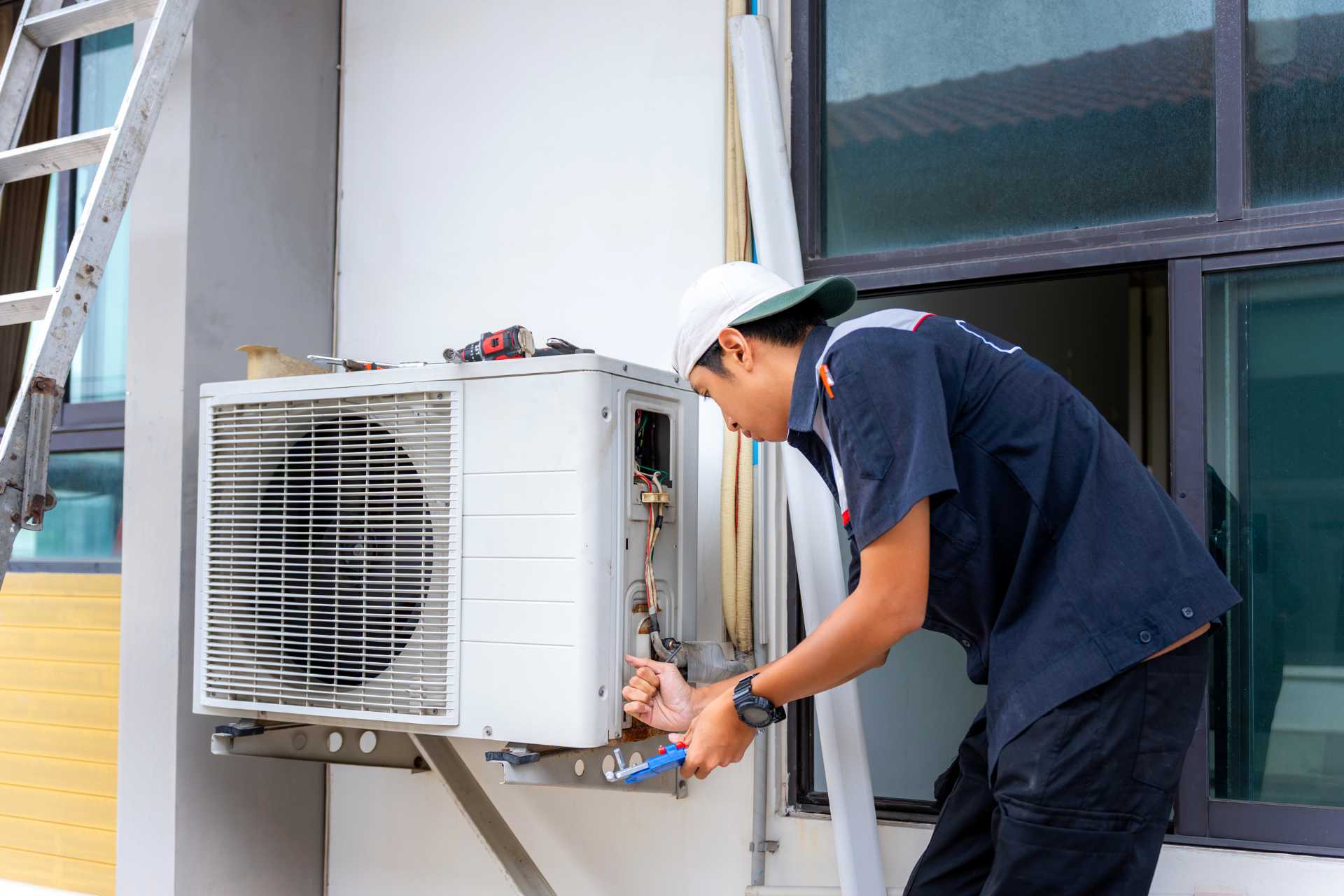
When designing or upgrading a custom home builder project, every detail—from the unique layout to the specialized materials—requires thoughtful, precision planning. This meticulous approach must absolutely extend to the heating, ventilation, and air conditioning system. Unique architectural features, such as expansive windows, dramatic vaulted ceilings, and complex open-concept rooms, fundamentally change how a home circulates air and regulates temperature. Relying on a generic, one-size-fits-all HVAC setup cannot compensate for these variables. Poor system design often leads to chronic uneven heating, the need for constant thermostat adjustments, and even unexpected furnace repair needs. Custom homes require equally tailored custom HVAC solutions. Strategic system design directly affects comfort and efficiency, ensuring the one-of-a-kind space performs as beautifully as it looks.
Architectural Challenges: When Standard Load Calculations Fail
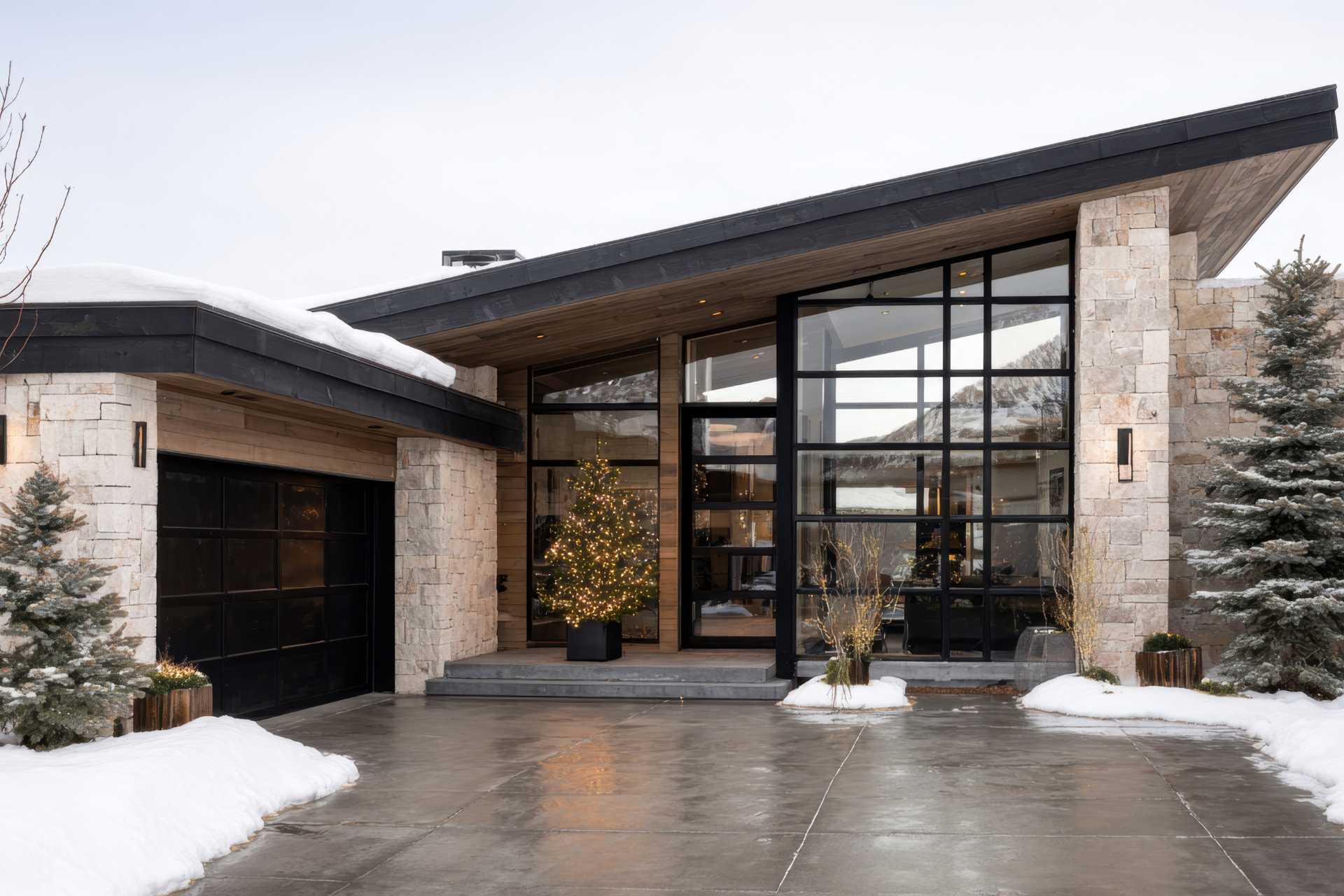
Unique architectural elements found in energy-efficient custom homes create massive, asymmetrical heating and cooling loads that generic HVAC systems fail to address. Expansive, floor-to-ceiling windows, for example, are aesthetic hallmarks of modern design but constitute enormous thermal liabilities. These large glass areas create massive heat loss in the winter and overwhelming solar gain in the summer. Standard load calculations, which often rely on simple square-footage rules or outdated average window sizes, severely underestimate the required capacity and advanced zoning necessary to combat these extreme and fluctuating temperatures. This initial failure in calculation sets the entire system up for chronic performance issues and efficiency loss.
Furthermore, dynamic interior spaces introduce significant challenges to airflow management. Vaulted ceilings, multi-story great rooms, and open staircases encourage air stratification, where warm air naturally rises and collects at the highest point of the ceiling, leaving the main living areas cold and uncomfortable in the winter. Generic systems typically lack the necessary engineering for strategic return air placement or dedicated airflow capacity required to effectively mix the air from the ceiling to the floor. The result is wasted energy, where the system constantly runs to try and satisfy the thermostat near the floor, while the ceiling cavity remains overheated.
Tailored Solutions: Zoning and Delivery Systems
Successful custom HVAC design solves the stratification and asymmetrical load issues through specialized zoning. HVAC zoning divides the home into two or more distinct temperature zones, each controlled independently by its own thermostat and motorized dampers within the ductwork. Zoning is essential in custom homes because it allows the system to manage rooms with vastly different load profiles—for instance, cooling a sunny, two-story great room independently of a shaded basement bedroom or a kitchen that generates its own heat. This ability to target conditioned air precisely maximizes comfort while minimizing energy waste.
Custom architecture often requires non-standard air delivery systems because traditional ductwork simply will not fit or compromise the aesthetic design. Custom HVAC professionals recommend specialized systems for these complex spaces. Examples include high-velocity mini-duct systems, which use smaller, flexible conduits that fit into tight architectural spaces without requiring bulky chases, or radiant floor heating, which delivers uniform, comfortable heat from the floor up, effectively combating cold floors in open areas. Additionally, ductless mini-splits offer targeted heating and cooling for highly customized additions, ensuring optimal performance where standard ducted systems struggle.
The Efficiency Trap: Oversizing and Undersizing
A common pitfall in custom construction is selecting a unit that is either too large or too small, neither of which provides optimal performance. When builders improperly oversize units to “guarantee” performance, the equipment cycles too quickly—a phenomenon called short cycling. An oversized air conditioner short cycles, failing to run long enough to properly dehumidify the air, leaving the home feeling clammy and uncomfortable, even if the temperature is correct. Similarly, an oversized furnace short cycles, leading to premature wear and significantly reducing the overall system lifespan.
Conversely, builders undersize systems when they rely on generic square-footage rules instead of detailed load calculations. The result is a system that runs non-stop on the coldest or hottest days, never quite reaching the thermostat setpoint. This constant, high-stress operation leads directly to component fatigue, premature system failure, and spiking utility bills. The only correct solution for designing energy-efficient custom homes is a precise, room-by-room Manual J load calculation. This engineering standard accounts for every single variable, including window placement, wall construction, insulation values, and exposure, ensuring the unit is sized perfectly.
Long-Term Value: Comfort, Air Quality, and Resale
The primary goal of a custom HVAC system extends beyond basic temperature control; it aims to achieve thermal balance—consistent temperature and humidity in every room, year-round. This superior, consistent comfort is the hallmark of quality construction and directly correlates with homeowner satisfaction. Furthermore, custom systems easily integrate high-end air quality technology that generic setups often cannot accommodate. This includes specialized filtration (like HEPA filters), whole-house humidification (essential for combating the dry Canadian winter air), and fresh air exchangers (ERVs/HRVs), ensuring the air is not just the right temperature, but clean and healthy as well. These are vital energy-efficient upgrades that add immense value.
For sellers, a documented, properly engineered custom HVAC system becomes a key differentiating selling point. What real estate agents and buyers look for include evidence of quality construction and reduced future maintenance costs. The inclusion of a detailed Manual J calculation, zoning diagrams, and modern equipment signals that the custom home builder spared no expense on the unseen mechanical systems. This engineering assurance significantly boosts the home’s long-term resale value, attracting premium offers from buyers who recognize the value of pre-engineered comfort and efficiency.
Engineering for Excellence
Custom architecture demands custom engineering to avoid comfort and efficiency failures. The upfront investment in expert HVAC design ensures maximum comfort, optimizes energy use throughout the system’s lifespan, and protects the long-term value of the custom home. Before breaking ground, insist that the custom home builder works with a certified HVAC engineer. This specialist must complete a precise, room-by-room load calculation to guarantee the new system meets the specific demands of your unique space, securing comfortable living for decades to come.





Leave A Comment