
In the traditional property market, there has always been a quiet tug-of-war between aesthetics and utility. Many buyers tour open houses with a real estate agent, only to find themselves staring at a beautiful kitchen that lacks a pantry, or a stunning living room that echoes every footstep. These “museum homes” look incredible in a brochure, but they often fail the test of daily Canadian life. This is precisely why more homeowners in 2026 are turning to a professional custom home builder to bridge the gap. When you control the design from the foundation up, you achieve a perfect balance of high style and daily function. You no longer have to choose between a home that looks like a masterpiece and a home that works like a well-oiled machine.
Planning to build a custom home is an exercise in intentionality. It is about recognizing that luxury isn’t just about expensive finishes; it is about “frictionless living.” In a custom build, beauty is not an afterthought—it is a byproduct of smart engineering and a deep understanding of how a family moves through space. By merging high style with daily function, you create a sanctuary that stands up to the rigours of the Canadian climate while reflecting your personal identity.
The 2026 Aesthetic: Warm Minimalism and Tactile Luxury
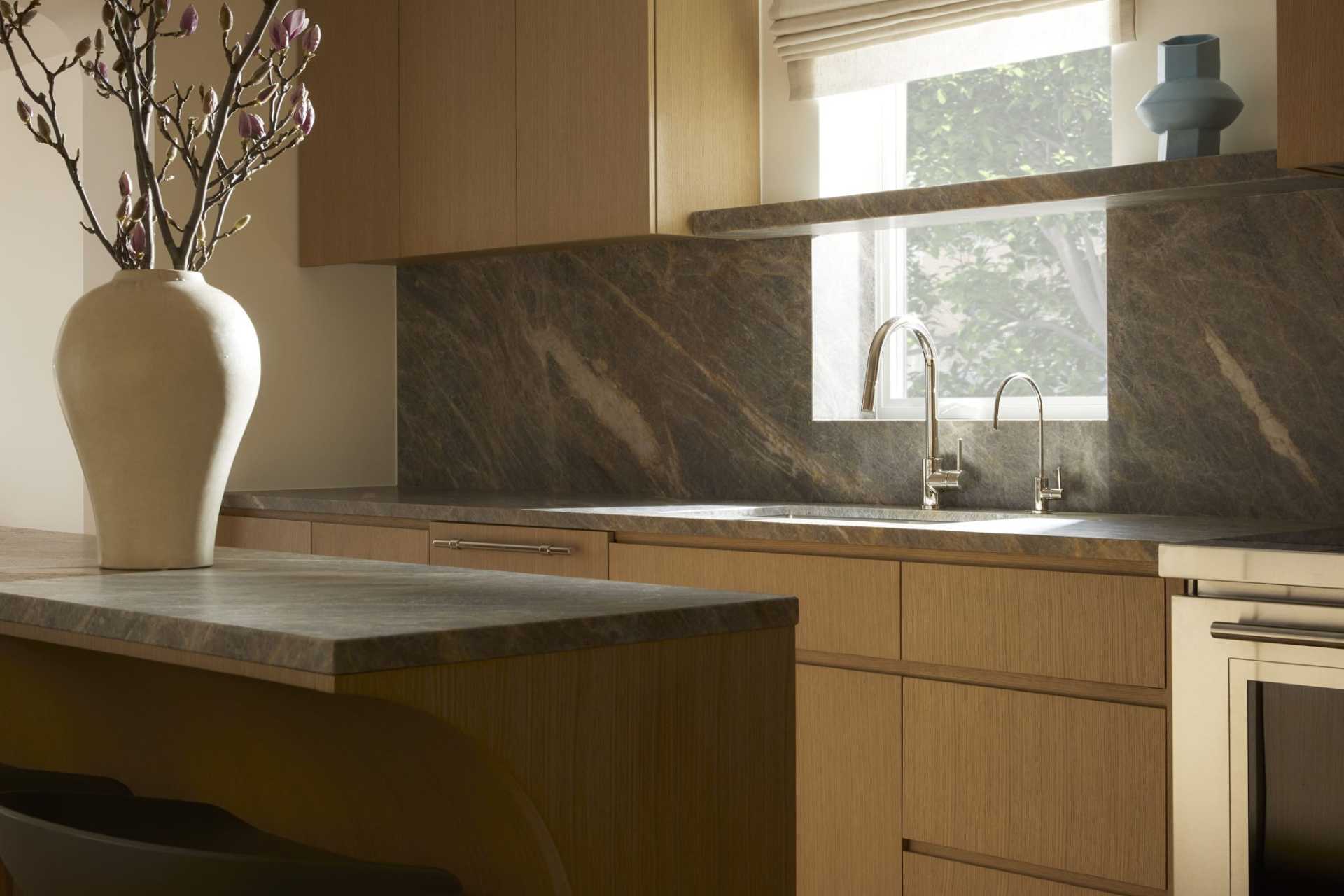
For years, modern design was synonymous with cold, sterile environments—white walls, sharp angles, and glass surfaces that felt uninviting. In 2026, the trend has shifted toward “Warm Minimalism.” This style prioritizes clean lines and uncluttered spaces but infuses them with organic textures that bring a sense of soul to the home. Custom builds allow for the integration of natural wood grains, tactile stone, and hand-applied plasters that create visual warmth without the clutter.
The functional advantage of this style is found in its durability. A custom builder can source high-performance materials, such as porcelain slabs that mimic rare marble but are virtually indestructible. These surfaces provide the high-end look you crave while being resistant to the wine spills, heat, and scratches of a busy kitchen. Style in a custom home is about selecting elements that look better as they age, ensuring your investment retains its “new home” feel for decades.
Vertical Luxury: The Impact of Volume and Light
One of the most immediate ways to balance style and function is through the manipulation of vertical space. Standard builds often feel cramped because they adhere to minimum ceiling heights. However, those planning to build a custom home frequently opt for 10-foot basement ceilings and vaulted main floors. This extra height isn’t just a stylistic flex; it changes the entire psychological feel of the home.
High ceilings allow for larger windows, which flood the home with natural light—a vital feature for mental wellness during long Canadian winters. From a functional standpoint, 10-foot basement ceilings transform a subterranean level from a “storage area” into a premium living space. This level is perfect for a high-end gym, a golf simulator, or a home theatre. This added volume creates a sense of grandeur that is balanced by the practical benefit of a more versatile floor plan.
The “Mudroom Gallery”: Designing the Entryway
In Canada, the entryway is the hardest-working room in the house. A standard mudroom is often a cramped closet where boots pile up. In a custom home, the mudroom is reimagined as a “functional gallery.” We design these spaces with heated tile floors to quickly dry melting snow, custom-integrated cabinetry to hide bulky winter gear, and even “pet showers” to clean paws before they hit the hardwood.
By giving the “mess” of daily life a dedicated, stylishly designed zone, the rest of the home remains pristine. This is the essence of functional luxury: creating specific spaces for specific tasks so that the high-traffic areas of your home can remain uncluttered and focused on design.
Zoned Living: The Evolution of the Open Concept
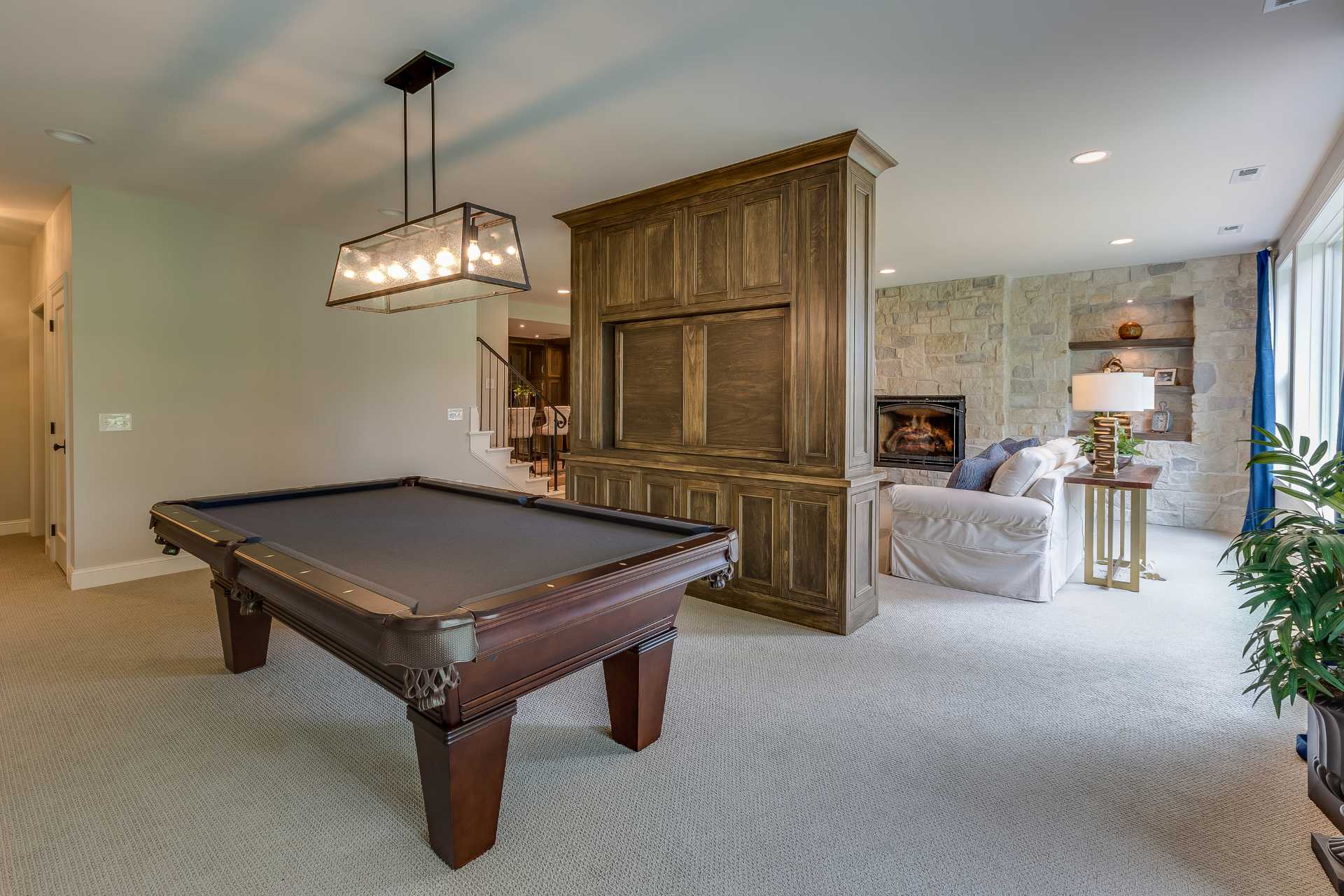
The “open concept” floor plan of the early 2000s often resulted in homes that felt like echoing warehouses. 2026 custom builds have evolved into “Zoned Living.” This approach maintains the visual flow and light of an open plan but uses architectural elements to define distinct areas.
A custom builder might use a double-sided fireplace, a change in flooring material, or a glass partition to separate a home office from the main living area. This provides the acoustic privacy needed for remote work or study without sacrificing the stylish, airy feel of the home. It allows the home to be multi-functional—serving as a quiet office by day and a vibrant entertaining space by night.
Roof Designs and Architectural Identity
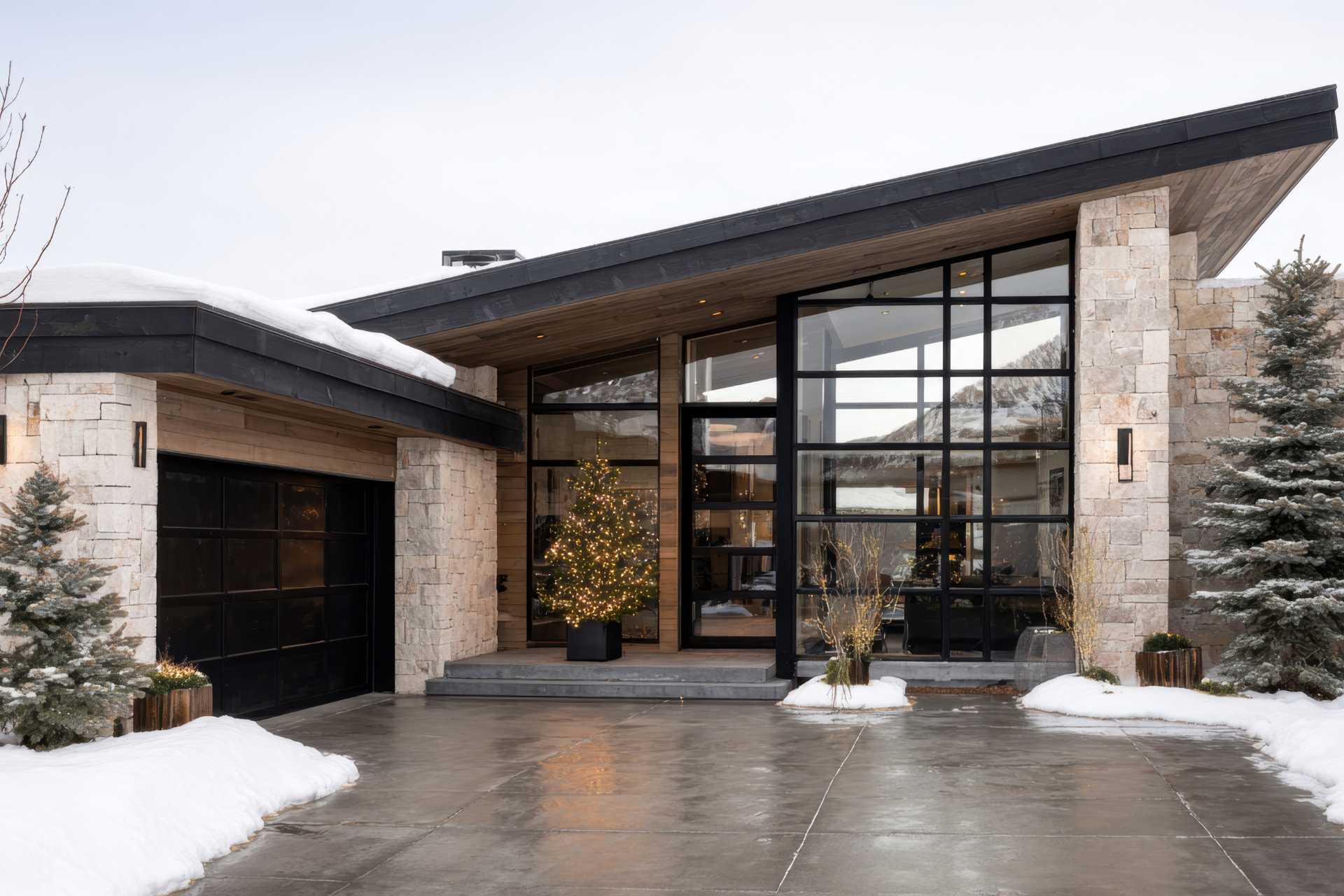
The silhouette of your home is its first impression. While mass-market builders use standard trusses to save costs, custom builds utilize roof designs that define your architectural style. Whether it is a sleek, modern flat roof with a rooftop patio or a dramatic, steep-pitched gable that sheds snow effortlessly, the roof is where form meets function at its highest level.
A well-designed roof protects the structure from the elements while providing the dramatic “curb appeal” that makes a home stand out. Inside, these architectural roof designs allow for stunning interior features like cathedral ceilings and skylights. This ensures the home is built to endure while looking exceptional from the street.
Future-Proofing and Infrastructure
A home is only truly functional if it is ready for the future. Custom builds allow for “invisible tech” integration. This means pre-wiring for AI-driven climate control, automated shading that reacts to the sun’s position, and high-speed infrastructure that won’t be obsolete in five years.
By thinking ahead during the design phase, you avoid the need for messy renovations later. For instance, ensuring your garage is wired for multiple electric vehicles or that your structural layout supports a future elevator are functional choices that protect your home’s resale value. These decisions ensure the home evolves alongside your family’s needs.
A Home That Knows You
Ultimately, the reason people choose to work with a custom home builder is to create a space that understands them. A home should be a reflection of your personality and a facilitator of your lifestyle. It should be a place where you can host a formal dinner party on a Friday and a messy family brunch on a Sunday without the house feeling out of place for either.
When you invest in a custom build, you are investing in a lifestyle where you no longer fight against your floor plan. You are ensuring that every design choice—from the 10-foot basement ceilings to the intricate roof designs —serves a dual purpose of beauty and utility.
In the 2026 Canadian landscape, a home must be a sanctuary. It must be tough enough to handle the weather and elegant enough to provide peace of mind. By focusing on “Stylish Functionality,” you aren’t just building a house; you are building a legacy. If you are planning to build a custom home, remember that the best designs are those that prove you can, indeed, have it all. Your life isn’t standard—your home shouldn’t be either.






Leave A Comment