
Designing a home for Canada’s climate requires more than aesthetic planning. Extreme temperature swings, prolonged heating seasons, and heavy snow loads demand structural precision from the very beginning. A knowledgeable custom home builder understands that long-term performance depends on what lies beneath the finishes. While elements such as window coverings can improve comfort and energy savings, they cannot compensate for weaknesses in the structure itself. The true defence against cold weather begins with the building envelope.
For homeowners planning to build a custom home, envelope design should be a priority during the earliest stages of architectural development. The building envelope controls how air, moisture, and heat move through a structure. If these systems are not carefully integrated, even a newly constructed home can experience efficiency and durability issues. In cold climates, envelope performance is not optional; it is fundamental. Proper design ensures the home remains comfortable, efficient, and structurally sound for decades.
What Is the Building Envelope?
The building envelope refers to the physical barrier that separates the interior of a home from the exterior environment. It includes the walls, roof, foundation, windows, doors, insulation systems, vapour barriers, and air barriers that collectively regulate heat, air, and moisture flow. In cold climates, these components must work together as a unified system rather than as independent parts. Any weak point in the envelope can compromise overall performance. Precision in design and installation is essential to maintain structural integrity.
A properly designed envelope manages three critical elements: thermal control, air control, and moisture control. Thermal layers reduce heat loss, air barriers limit infiltration, and moisture barriers prevent condensation within wall cavities. When these layers are continuous and properly integrated, the home becomes more resilient to extreme weather. In contrast, gaps or misalignments can create long-term problems such as energy inefficiency or structural decay. Effective envelope design transforms a structure into a high-performing system built to withstand Canadian conditions.
Why Cold Climates Demand Higher Envelope Performance
Cold climates place unique demands on residential construction. In winter, the temperature difference between the inside of a heated home and the outdoor environment can exceed 30 degrees Celsius. This extreme contrast increases pressure on walls, roofs, and foundations to resist heat transfer and air infiltration. Without strong envelope performance, warm interior air escapes while cold air enters through even small openings. Over time, this imbalance increases heating demand and structural stress.
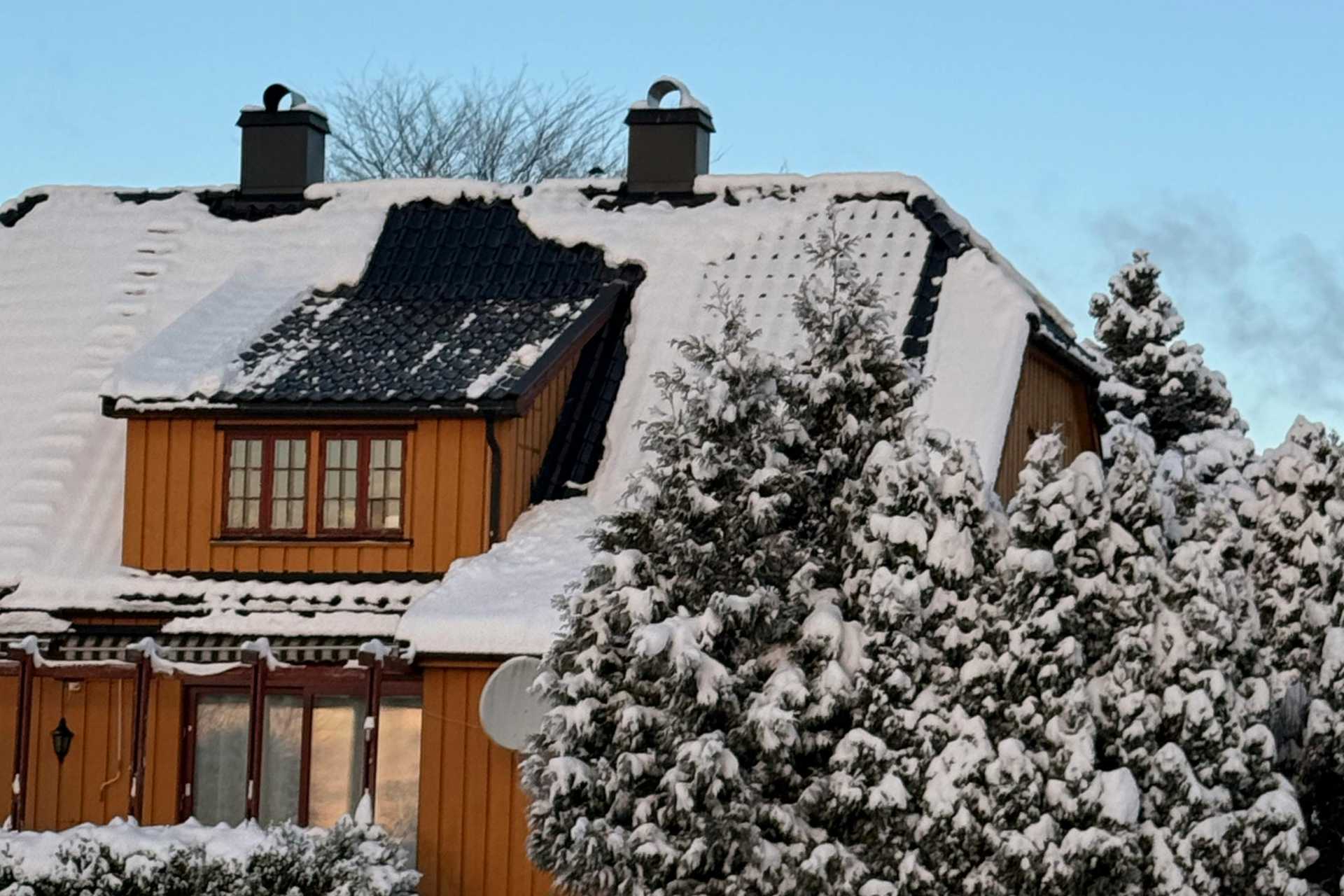
Freeze–thaw cycles further complicate performance expectations. When moisture penetrates exterior materials and freezes, it expands and weakens structural components. Snow accumulation and ice formation add weight and prolonged exposure to moisture along rooflines and cladding. Homes in Canada must be engineered to manage both thermal and moisture loads simultaneously. This is why many high-performance designs emphasize custom homes designed for Canadian winters, where envelope detailing is treated as a critical structural priority rather than an optional upgrade.
Heat Loss, Air Leakage, and Energy Efficiency
Heat naturally moves from warm areas to colder ones, and in winter, that means indoor warmth is constantly trying to escape. When the building envelope is not properly sealed or insulated, heat loss increases significantly. Air leakage around joints, penetrations, and framing transitions allows conditioned air to exit while cold air enters. This phenomenon, often intensified by the stack effect in taller homes, forces heating systems to work harder. Over time, the result is higher energy consumption and uneven interior temperatures.
Careful envelope detailing is essential for creating energy-efficient custom homes that perform consistently throughout winter. Continuous insulation, properly sealed penetrations, and reduced thermal bridging all contribute to improved efficiency. Even minor gaps in the air barrier can reduce performance and increase long-term operating costs. In cold climates, energy efficiency is not only about mechanical systems but about structural design decisions. A well-designed envelope reduces reliance on heating equipment and supports consistent indoor comfort.
Moisture Control and Vapour Management
In cold climates, moisture control is just as important as thermal performance. Warm indoor air carries humidity, and when that air meets cold exterior surfaces within the wall assembly, condensation can occur. Over time, trapped moisture inside walls or ceilings can lead to mould growth, wood rot, and insulation degradation. Proper vapour barrier placement is critical to controlling how moisture moves through the structure. If installed incorrectly, vapour barriers can actually trap moisture instead of preventing it.
Effective envelope design includes a clearly defined drainage plane and controlled air movement. Exterior cladding must allow incidental moisture to escape while preventing bulk water intrusion. Air barriers reduce the amount of warm, humid air entering wall cavities in winter. Detailing around windows, roof transitions, and foundation connections must be precise. When vapour management is thoughtfully integrated, the home remains structurally sound and protected against long-term deterioration.
The Role of Insulation and Air Sealing
Insulation alone does not guarantee performance if air leakage is not controlled. In cold climates, insulation must be continuous and properly installed to reduce thermal bridging. Thermal bridges occur where structural elements, such as studs or concrete, interrupt the insulation layer. These areas allow heat to escape more easily and can create cold spots along interior surfaces. Over time, temperature inconsistencies may lead to condensation or reduced comfort.
Air sealing works alongside insulation to create a complete thermal barrier. Sealing around windows, doors, electrical penetrations, and framing transitions prevents uncontrolled airflow. Attic insulation and proper sealing at the roofline are especially important during long heating seasons. Foundation insulation also plays a critical role in reducing heat loss into the ground. When insulation and air sealing are coordinated effectively, the envelope performs as a unified system rather than a collection of separate components.
How Poor Envelope Design Leads to Long-Term Structural Issues
When the building envelope is poorly designed or inconsistently executed, problems often emerge gradually rather than immediately. Small air leaks and minor moisture intrusion may not be noticeable during the first few years. However, repeated exposure to freeze–thaw cycles can widen cracks and weaken structural materials over time. Ice dam formation along roof edges is one common symptom of heat escaping through the attic. Left unaddressed, these issues can shorten the lifespan of roofing, cladding, and framing components.
Exterior materials are especially vulnerable when moisture control fails. Siding systems may deteriorate prematurely if water becomes trapped behind them. Foundation walls can develop cracks when water infiltration combines with freezing expansion. Even minor envelope weaknesses can increase maintenance costs over the long term. A home that looks solid from the outside may still experience performance issues if envelope detailing was overlooked during construction.
Why Building Envelope Planning Starts in the Design Stage
High-performance homes are not created by adding upgrades after framing is complete. Building envelope performance must be integrated into architectural drawings and structural planning from the outset. Material selection, insulation strategy, window placement, and roof design all influence how heat and moisture move through the home. When envelope design is addressed early, coordination between engineering, construction, and energy modelling becomes seamless. This integrated approach reduces costly changes later in the build.
A collaborative design-build process allows performance goals to be aligned with building code requirements and long-term durability expectations. Decisions about wall assemblies, insulation thickness, and air barrier continuity must work together as one system. Proper planning reduces the risk of thermal bridging, condensation, and premature material deterioration. In cold climates, envelope precision is not simply a technical preference but a structural necessity. Thoughtful planning ensures the home performs efficiently for decades.
Building for Performance, Not Just Appearance
In Canadian climates, the building envelope determines whether a home will remain comfortable, efficient, and durable over time. Extreme temperatures, moisture exposure, and freeze–thaw cycles demand careful coordination of insulation, air sealing, and vapour control systems. When envelope design is prioritized early in the process, structural integrity and energy performance improve significantly. A well-designed envelope protects not only daily comfort but also long-term property value. Building for performance ensures that design decisions continue to deliver benefits long after construction is complete.


Leave A Comment