
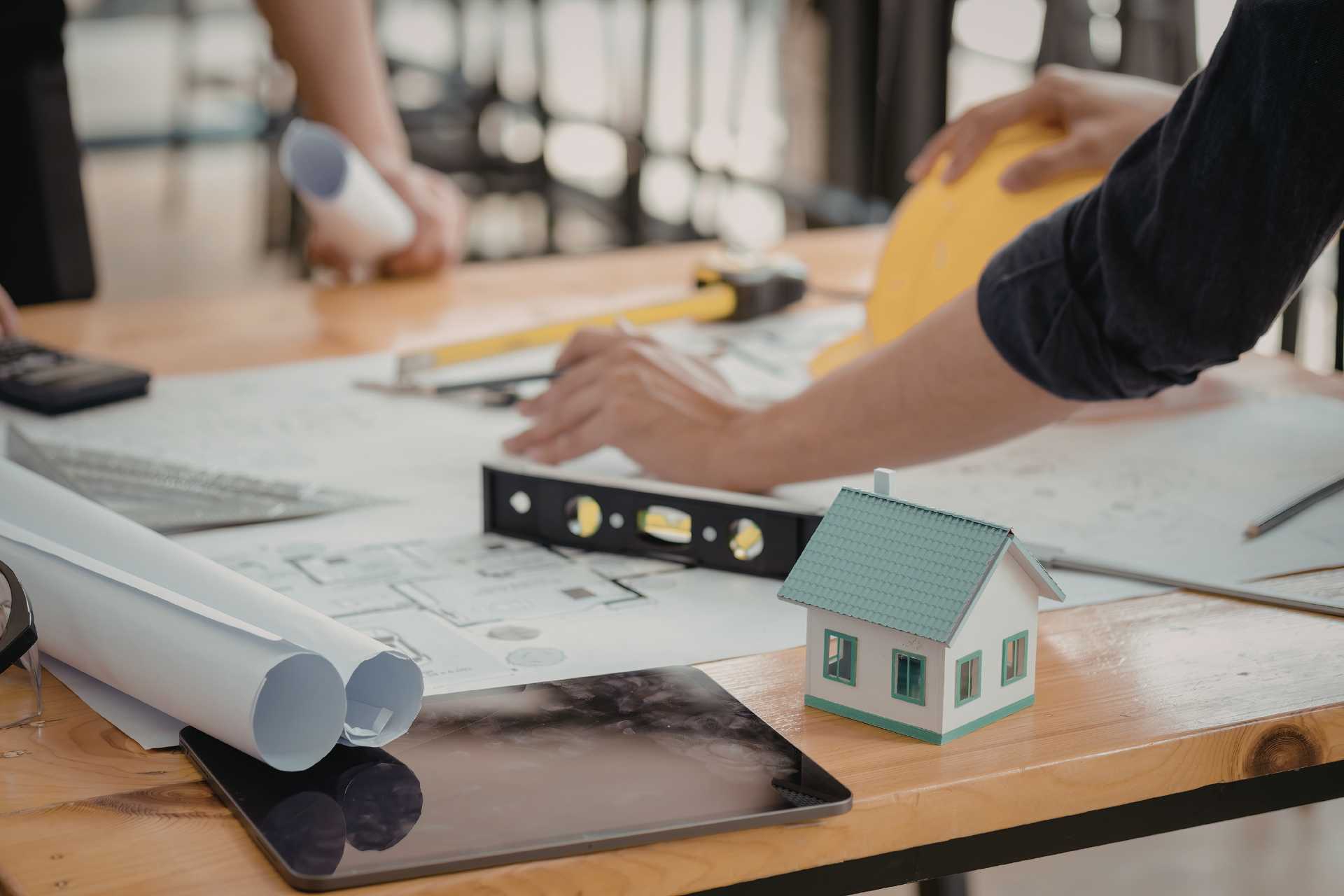
Building a custom home is not simply a construction project—it is a long-term planning decision that affects comfort, performance, maintenance, and value for decades. Many homeowners enter the process excited about finishes and layouts, only to discover later that early planning decisions carry far more weight than cosmetic choices. Working with the right custom home builder ensures those early decisions align with how the home will actually function over time, not just how it looks on move-in day.
A custom home also brings responsibility. Every design choice interacts with exterior systems like siding, roofing, insulation, and drainage, which together form the building envelope. When planning is rushed or fragmented, these systems can conflict rather than complement each other. Understanding what to consider before construction begins helps homeowners avoid costly revisions, delays, and performance issues that surface long after the keys are handed over.
Understanding What “Custom Home” Really Means
The term “custom home” is often misunderstood. A true custom home is designed from the ground up around the homeowner’s lifestyle, lot conditions, and long-term goals. This differs from semi-custom or production homes, which offer limited modifications within a pre-set framework. Custom construction allows flexibility—but with that flexibility comes a greater need for clarity and coordination.
Without a clear definition early on, expectations can drift. Decisions about layout, structure, and systems must be made intentionally, because each choice influences cost, timeline, and long-term performance. Knowing what level of customization is actually required helps homeowners stay focused and avoid overdesigning areas that don’t add functional value.
Budgeting Beyond the Build Cost
Many first-time custom homeowners underestimate how much of the budget exists outside of visible construction. While the build cost covers framing, finishes, and labour, additional expenses often include site preparation, permits, utility connections, engineering, and contingency allowances. These costs vary significantly based on lot conditions and municipal requirements.
A realistic budget accounts for both known and unknown variables. Contingency planning is especially important, as soil conditions, material availability, and regulatory approvals can affect scope and timing. Budget clarity at the outset prevents rushed compromises later in the process and allows design decisions to be made strategically instead of reactively.
Choosing the Right Lot and Location
The lot determines far more than the home’s address. Grading, orientation, drainage, setbacks, and soil conditions all influence what can be built and how it performs. A flat, well-drained lot offers more design flexibility and often lower construction complexity, while sloped or irregular parcels may require additional engineering and foundation work.
Location also affects long-term ownership. Sun exposure influences energy efficiency, snow management, and natural lighting. Neighbourhood bylaws dictate height limits, setbacks, and exterior materials. Selecting a lot without understanding these constraints can limit design options or force costly redesigns later.
Designing for Lifestyle, Not Just Aesthetics
One of the most common planning mistakes is prioritizing appearance over daily function. A visually striking home that lacks storage, circulation efficiency, or adaptability can quickly become frustrating. Good custom design considers how occupants move through the home, how spaces connect, and how needs may change over time.
Lifestyle-driven planning accounts for work-from-home needs, aging in place, growing families, and seasonal use patterns. Thoughtful layout decisions improve livability far more than trend-driven finishes. A home that works well day to day retains value longer and requires fewer costly modifications.
Understanding Timelines and the Custom Build Process
Custom home timelines extend well beyond the construction phase. Design development, engineering, permitting, and approvals can take months before ground is broken. Once construction begins, sequencing matters—delays in one trade affect every trade that follows.
Changes during construction are particularly disruptive. Even small revisions can halt progress, increase labour costs, and create scheduling conflicts. Understanding the full process encourages patience and reduces impulsive decisions that extend timelines unnecessarily.
Selecting Materials That Balance Performance and Longevity
Material selection should be guided by durability and climate suitability, not just appearance. Exterior materials face constant exposure to moisture, UV radiation, and temperature swings. Choosing products that perform well in Canadian conditions reduces maintenance demands and extends lifespan.
Interior materials also benefit from long-term thinking. High-traffic areas require durability, while moisture-prone spaces demand proper protection. Strategic material choices support energy-efficient custom homes by improving insulation continuity, air sealing, and thermal performance across the entire structure.
Building Systems Matter More Than Finishes
While finishes are visible, building systems define how the home actually performs. HVAC design, insulation strategy, ventilation, and air sealing work together to control comfort and energy use. Poor coordination between these systems leads to drafts, uneven temperatures, and higher operating costs.
This is where the functional importance of quality windows and doors becomes clear. Windows and doors are not decorative elements—they regulate heat loss, solar gain, and air infiltration. Integrating them correctly within the building envelope improves comfort and reduces strain on mechanical systems.
Working With the Right Custom Home Builder
The builder’s role extends far beyond managing trades. A skilled builder coordinates design intent, engineering requirements, and construction realities into a cohesive process. Experience matters—not just in building homes, but in navigating permits, inspections, and sequencing.
Homeowners benefit when they choose the right builder early. Transparent communication, detailed estimates, and clear change-order processes reduce friction throughout the build. Alignment between homeowner expectations and builder methodology is one of the strongest predictors of a successful project.
Common Mistakes to Avoid Before Construction Begins
Rushing into construction without finalized plans is one of the most costly mistakes. Incomplete drawings lead to assumptions on site, which then require corrections. Skipping professional input during design often results in performance issues that are expensive to fix later.
Another common error is focusing too heavily on short-term savings. Cutting corners on systems or materials rarely pays off. Early compromises tend to increase maintenance costs and reduce comfort long after construction ends.
Planning for Long-Term Maintenance and Ownership
A well-planned custom home considers how it will be maintained over decades. Access to mechanical systems, rooflines designed for snow shedding, and durable exterior materials all reduce future upkeep. Maintenance planning protects both performance and resale value.
Thinking beyond move-in day also means considering adaptability. Homes that can evolve with changing needs—whether through flexible spaces or accessible design—retain relevance longer and require fewer major renovations.
A Custom Home Is Built Long Before Construction Starts
The success of a custom home is determined long before the foundation is poured. Thoughtful planning shapes every outcome, from comfort and efficiency to durability and long-term value. Each decision builds upon the last, making early clarity essential.
By understanding the process, prioritizing performance, and working with experienced professionals, homeowners gain control over both the build and the future of the home. A custom home planned with intention delivers not just a place to live—but a place designed to last.


Leave A Comment